
Among countless anime protagonists with overwhelming power and bold personalities, Shigeo “Mob” Kageyama stands out in a completely different way. Despite being one of the most powerful psychics in his world, Mob is quiet, emotionally reserved, and deeply insecure. Yet it is precisely these traits that make him one of the most emotionally relatable characters in modern anime. Mob Psycho 100 succeeds because Mob feels real—and his struggles mirror the inner lives of many viewers.
So why does Mob create such strong emotional resonance?
Mob Represents the “Ordinary” Person
At his core, Mob is painfully ordinary. He worries about fitting in, being liked, and finding his place in the world. He feels invisible next to more confident classmates and doubts his own worth beyond his abilities. These experiences are universal, especially for those who have struggled with self-esteem or social anxiety.
Unlike traditional protagonists who are admired for confidence and ambition, Mob reflects the quiet reality many people live every day. His ordinariness makes him easy to project onto, allowing viewers to see themselves in his fears, doubts, and hopes.
Emotional Suppression Is a Shared Experience
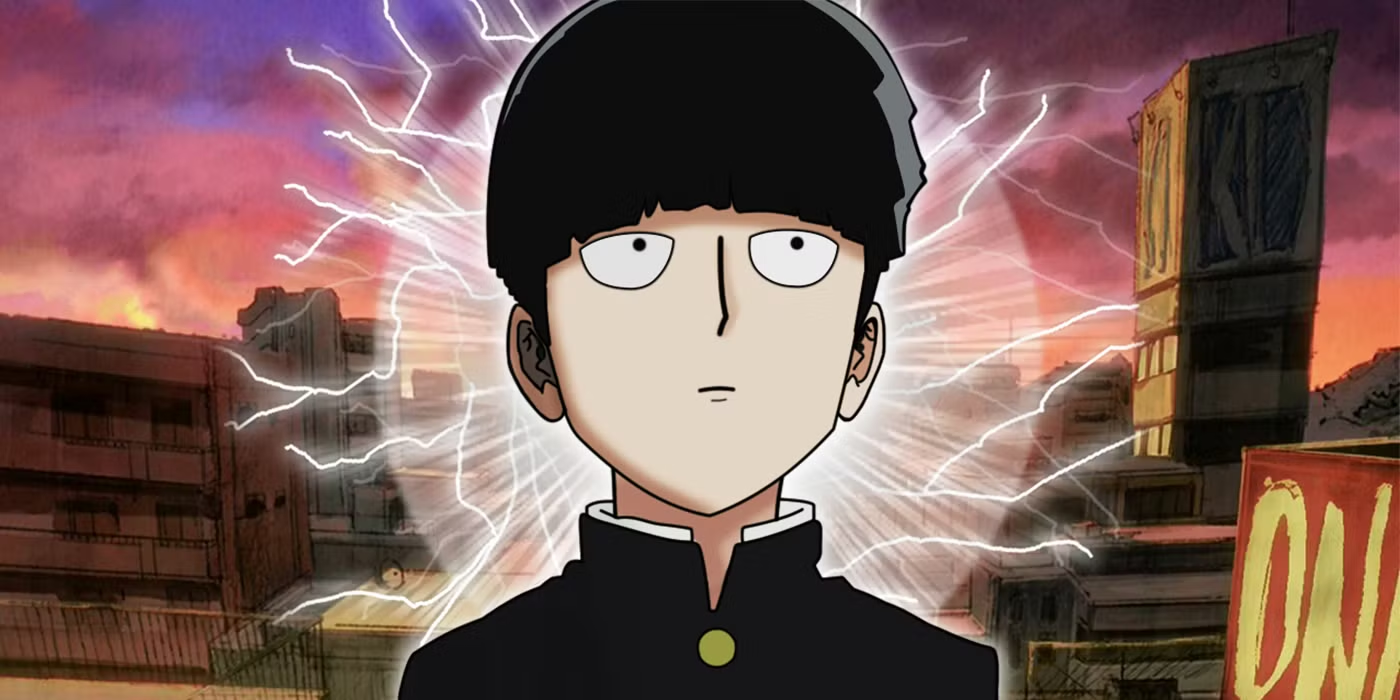
One of the most relatable aspects of Mob’s character is how he suppresses his emotions. He believes that showing strong feelings—anger, sadness, frustration—could hurt others or make him lose control. This fear leads him to bottle everything inside, symbolized by his famous emotional percentage meter.
Many people do the same in real life. They hide emotions to avoid conflict, rejection, or vulnerability. Mob’s emotional struggle resonates because it reflects a common misunderstanding: that emotional control means emotional silence. The series slowly reveals that this mindset is harmful, making Mob’s journey feel deeply authentic.
Mob’s Growth Is Slow and Uncomfortable
Mob does not change overnight. His development is gradual, awkward, and often painful. He fails, hesitates, and doubts himself repeatedly. This slow progression is crucial to why audiences connect with him.
Real growth rarely happens in dramatic leaps—it happens in small, uncomfortable steps. Mob joins the Body Improvement Club, faces rejection, and confronts his own emotional limits without relying on his psychic powers. These moments feel real because they mirror how people grow in real life: through effort, vulnerability, and persistence.
Power Doesn’t Solve Emotional Problems
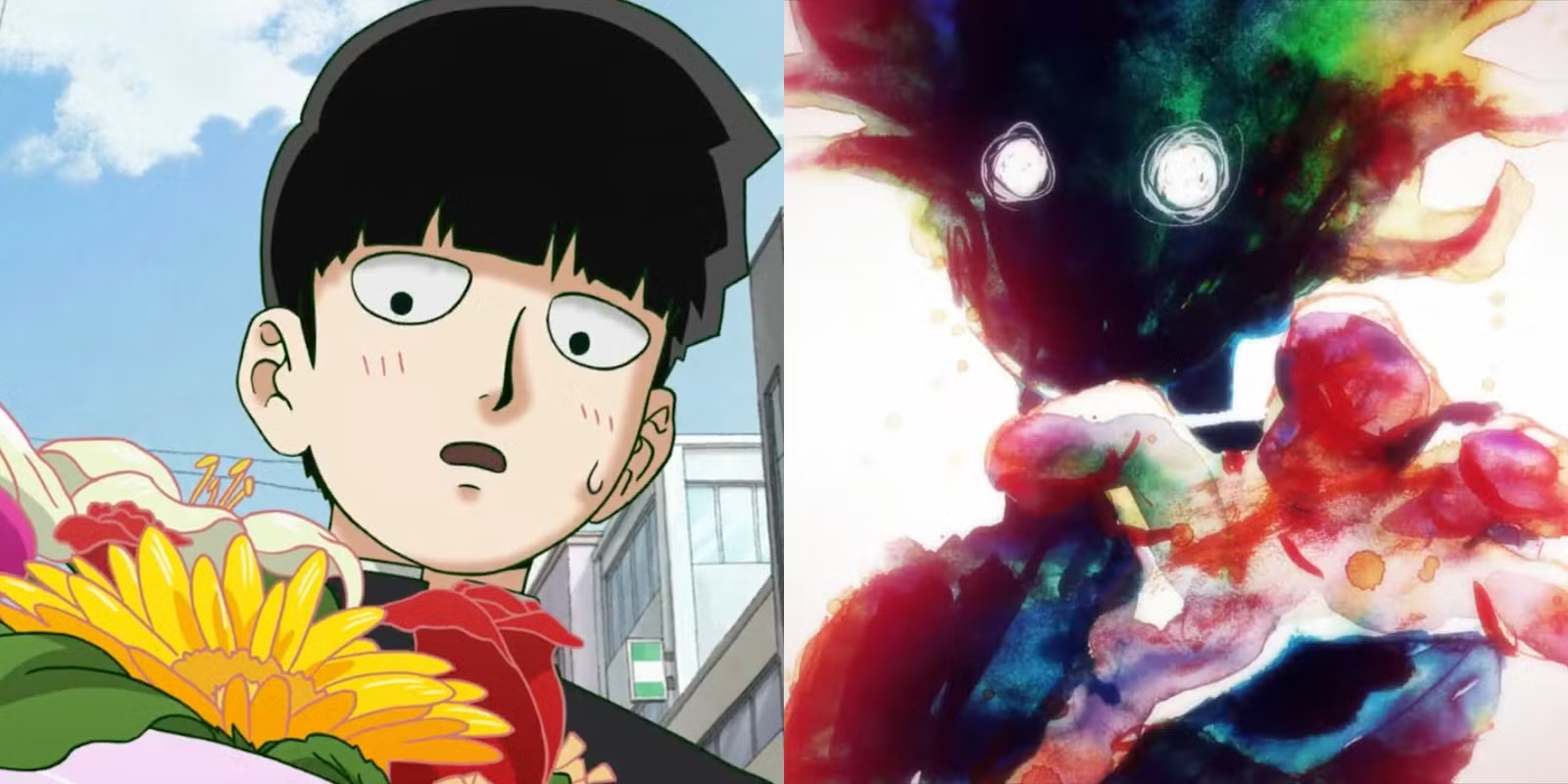
Despite possessing immense psychic abilities, Mob cannot use his powers to fix his emotional struggles. He can defeat enemies, but he cannot force confidence, happiness, or belonging. This separation between power and personal fulfillment is a key reason Mob resonates so strongly.
Many viewers relate to the idea that talent, intelligence, or external success does not automatically bring inner peace. Mob’s story validates the feeling that emotional struggles are not failures, even for capable people. His journey reassures viewers that it’s okay to struggle, regardless of one’s strengths.
Kindness as a Source of Strength
Mob is gentle, compassionate, and empathetic—even toward those who hurt him. Instead of dominating others, he tries to understand them. This quiet kindness is rare in action-driven anime, and it deeply resonates with audiences.
In a world that often glorifies aggression and dominance, Mob’s emotional sensitivity feels refreshing. The series suggests that kindness is not weakness—it is emotional strength. Many viewers connect with Mob because he represents the desire to be good, even when it’s difficult.
Honest Portrayal of Emotional Overload
When Mob reaches 100%, the explosion isn’t triumphant—it’s tragic. These moments reflect emotional overload rather than victory. Anger, grief, and confusion push him past his limits, reminding viewers what happens when emotions are ignored for too long.
This honest portrayal of emotional breaking points makes Mob’s experiences feel human. Viewers recognize these moments because they’ve felt overwhelmed themselves. The series doesn’t romanticize emotional collapse—it treats it with seriousness and empathy.

Mob Learns to Accept Himself
Ultimately, Mob’s emotional journey is about self-acceptance. He learns that he doesn’t need to be impressive, powerful, or special to have value. He begins to accept his emotions, his flaws, and his limitations without shame.
This message resonates deeply in a culture driven by comparison and performance. Mob’s growth reassures viewers that being human—with all its imperfections—is enough.
Why Audiences Continue to Connect with Mob
Mob creates strong emotional resonance because he feels honest. He doesn’t pretend that growing up is easy or that emotions are simple. His story validates vulnerability, emotional confusion, and the slow process of self-understanding.
Rather than inspiring viewers to be stronger, Mob Psycho 100 inspires them to be more self-aware, patient, and kind to themselves. That emotional honesty is what makes Mob unforgettable.
Final Thoughts
If Mob’s emotional journey has resonated with you—his quiet struggles, personal growth, and heartfelt kindness—it’s a sign of how deeply Mob Psycho 100 connects with its audience.
👉 If you are a fan of Mob Psycho 100, you can find and purchase merchandise inspired by the series at: mobpsycho100merch.com — a perfect place to celebrate the themes, characters, and emotional depth that make this story unforgettable.
